
If you were injured in a truck accident in Illinois, you may have grounds to pursue compensation for medical expenses, lost income, and other damages caused by another party’s negligence. Collisions involving semi-trucks and commercial vehicles can result in serious injuries, complicated insurance disputes, and questions about who is responsible.
At Stephens Fiddes McGill & Associates, P.C., our attorneys help injured individuals understand their rights and navigate personal injury claims. With more than four decades of legal experience, our Peoria-based firm provides guidance for clients throughout Illinois.
If you or a loved one has been injured in a truck accident, schedule a consultation with our attorneys to discuss your situation and available legal options.
Truck accident claims can involve more complicated liability questions than typical passenger vehicle accidents. Commercial vehicles may be operated by trucking companies, independent contractors, or employees whose actions are governed by applicable state and federal regulations.
An attorney can help injured individuals navigate the claims process by:
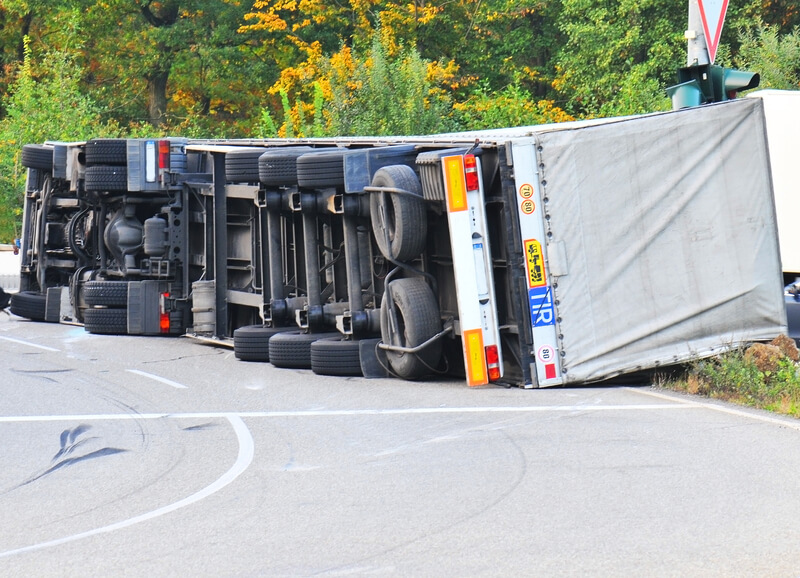
At Stephens Fiddes McGill & Associates, P.C., we focus on helping clients understand their options and make informed decisions throughout the legal process.
Commercial trucks require careful operation because of their size, weight, braking requirements, and potential blind spots. When drivers or other responsible parties fail to exercise reasonable care, the consequences can be severe.
Common factors that may contribute to truck accidents include:
The Federal Motor Carrier Safety Administration (FMCSA) establishes safety requirements for covered commercial motor carriers and drivers, including limits on driving hours.
Whether a safety violation contributed to a particular collision depends on the circumstances and evidence.
Determining liability is an important part of pursuing compensation after a commercial truck collision.
Depending on the circumstances, potentially responsible parties may include:
Multiple parties may share responsibility in certain cases. However, liability must be established through the applicable legal standards and supporting evidence.
Our attorneys can evaluate the circumstances surrounding an accident and explain the potential claims available under Illinois law.
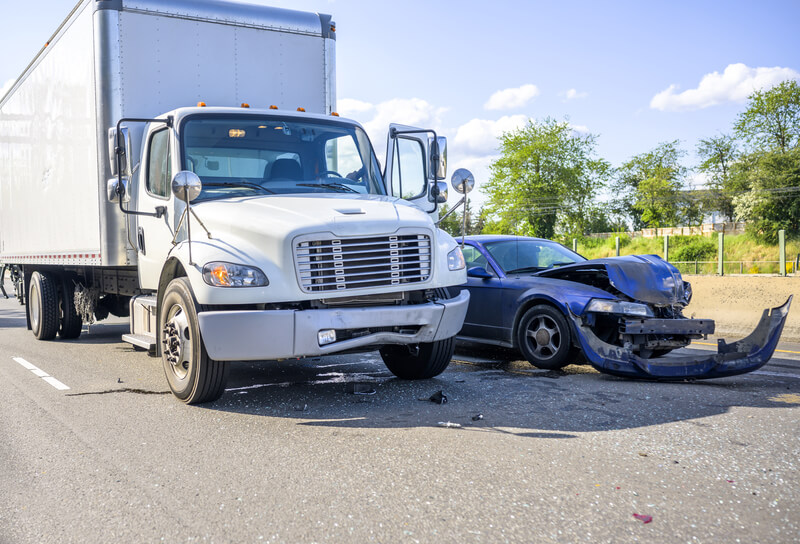
Preserving evidence can be particularly important after a collision involving a commercial vehicle.
Depending on the truck, carrier, and circumstances, relevant evidence may include:
Some commercial vehicle records are subject to specific retention requirements. Important information may become harder to obtain as time passes.
A truck accident attorney can help identify relevant evidence and pursue appropriate preservation and investigation steps.
Knowing what to do after a serious collision can help protect your health and preserve information relevant to a potential injury claim.
Obtain medical care as soon as possible, even if some symptoms appear minor initially. Certain injuries may become more noticeable after the accident.
Follow appropriate treatment recommendations and keep documentation of your medical evaluations.
If it is safe to do so, take photographs of the vehicles, road conditions, visible injuries, and surrounding area.
Keep copies of the police report, witness contact information, and other available evidence.
Maintain documentation of medical expenses, lost wages, transportation costs related to treatment, and other accident-related losses.
These records may help establish the financial impact of your injuries.
Insurance companies may request statements, medical authorizations, or settlement agreements.
Before signing documents that could affect your rights, consider obtaining legal guidance to understand their implications.
An attorney can help assess liability, evaluate available evidence, and explain applicable filing deadlines.
Early guidance may be particularly valuable when serious injuries or multiple insurance companies are involved.
If another party’s negligence caused your injuries, you may be entitled to pursue compensation under Illinois personal injury law.
Depending on the circumstances, recoverable damages may include:
If a truck accident results in a fatality, eligible family members may have legal options through an Illinois wrongful death claim.
The compensation available depends on liability, medical evidence, injury severity, and applicable legal requirements. No specific recovery can be guaranteed.
Choosing an attorney after a serious truck accident means finding legal representation that understands personal injury claims, insurance disputes, and the challenges injured individuals face.
For more than four decades, Stephens Fiddes McGill & Associates, P.C. has represented individuals and families throughout Central Illinois.
Our firm emphasizes:
Our goal is to provide clear legal guidance while helping injured individuals protect their rights.
Learn more about our personal injury legal services and how we assist clients facing serious accident-related injuries.
Stephens Fiddes McGill & Associates, P.C. is located at 456 Fulton, Suite 222, Peoria, IL 61602.
From our Peoria office, we serve clients throughout Central Illinois and across the state, including individuals in Peoria, East Peoria, Pekin, Bloomington, and surrounding communities.
Whether your accident occurred on an interstate highway, a rural roadway, or a busy commercial route, our attorneys can help you evaluate your legal options.
Illinois generally provides two years from the date a personal injury claim accrues to file a lawsuit under 735 ILCS 5/13-202. Exceptions and different deadlines may apply depending on the circumstances, including the parties involved. Seeking legal guidance promptly can help protect your rights.
Possibly. Under Illinois modified comparative fault rules, a plaintiff whose fault is 50% or less may recover damages reduced by their percentage of responsibility. If their fault exceeds 50%, recovery is generally barred in covered negligence actions.
Potentially. A trucking company may be liable when the law makes it responsible for its driver’s negligence or when the company’s own negligent conduct contributed to the collision. An attorney can evaluate the employment relationship and other relevant circumstances.
An insurance denial does not automatically eliminate your legal options. You may be able to present additional evidence, challenge the insurer’s position, or pursue a lawsuit when appropriate. Your options depend on the facts and applicable deadlines.
The potential value depends on factors such as medical expenses, lost income, severity of injur