
If you were injured in a slip and fall accident in Illinois, you may be entitled to compensation when a property owner’s or another responsible party’s negligence contributed to your injuries. Falls can result in medical expenses, lost income, ongoing pain, and physical limitations that affect everyday life. However, determining whether someone is legally responsible requires examining the conditions that caused the accident.
At Stephens Fiddes McGill & Associates, P.C., our attorneys help injured individuals evaluate personal injury claims, understand their legal rights, and navigate insurance disputes. With more than four decades of legal experience, our Peoria-based firm provides representation for clients throughout Illinois.
If you were hurt because of potentially unsafe property conditions, schedule a consultation with our legal team to discuss your accident and available options.
Slip and fall claims are generally handled under premises liability law, which addresses certain injuries caused by unsafe property conditions.
An attorney can evaluate whether a property owner, business, or another responsible party failed to exercise reasonable care and whether that failure contributed to your injury.
At Stephens Fiddes McGill & Associates, P.C., our legal services include:
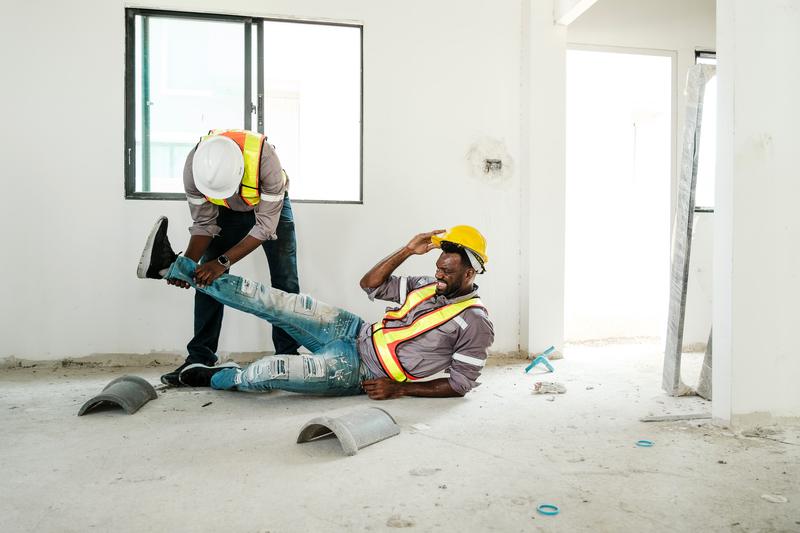
Our goal is to help injured individuals understand the legal process and make informed decisions about their claims.
Under the Illinois Premises Liability Act, property owners and occupiers generally owe lawful visitors a duty of reasonable care under the circumstances.
However, a slip and fall accident does not automatically establish negligence. A successful claim generally requires evidence showing that a responsible party breached an applicable duty and that the breach caused compensable injuries.
Important factors may include:
For example, a business may face liability when a dangerous spill remains unaddressed despite sufficient notice. The outcome depends on the evidence and circumstances.
Learn more about the applicable duty of care under the Illinois Premises Liability Act.
Slip and fall injuries can occur on commercial, residential, and other properties when unsafe conditions are present.
Examples of hazards that may contribute to accidents include:
These incidents may occur in grocery stores, restaurants, apartment buildings, retail locations, parking areas, and other premises.
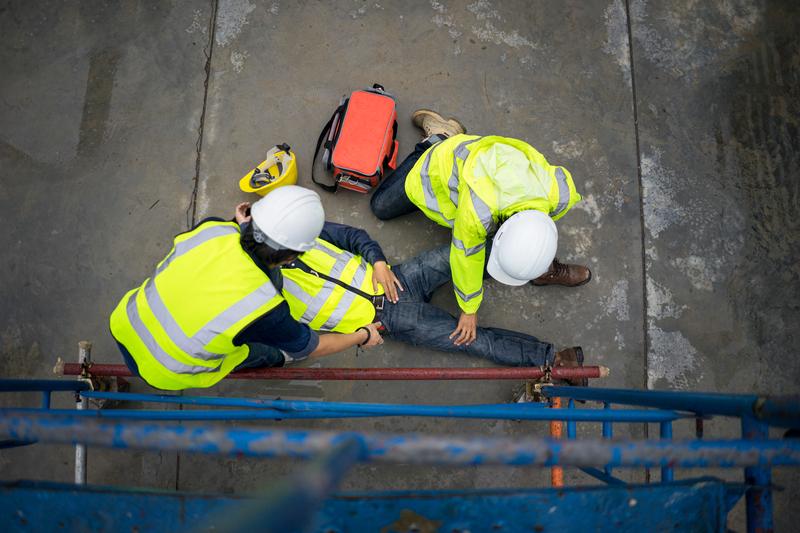
Our attorneys can review the location, circumstances, and available evidence to help determine whether a premises liability claim may be appropriate.
Taking appropriate steps after an accident can help protect your health and preserve important information for a potential claim.
Obtain medical care promptly, particularly if you experience significant pain, dizziness, swelling, or difficulty moving.
Keep records of diagnoses, treatment recommendations, and any restrictions that affect your ability to work or perform daily activities.
Notify the property owner, manager, or responsible party about the incident when appropriate.
If it is safe to do so, photograph the hazard and surrounding area. Keep copies of incident reports and contact information for witnesses.
Maintain records of medical bills, missed work, transportation expenses related to treatment, and other financial losses associated with the accident.
These records can help demonstrate how your injuries have affected your financial situation.
Insurance companies may dispute the cause of an accident or the extent of your injuries.
Before accepting a settlement or signing documents that release potential claims, consider speaking with an attorney who can explain the implications.
If negligence caused your injuries, you may be eligible to pursue compensation under Illinois personal injury law.
Depending on the circumstances, recoverable damages may include:
The amount of compensation depends on the available evidence, injury severity, applicable liability rules, and the losses established in the case.
No specific settlement or recovery can be guaranteed.
Choosing a slip and fall attorney means finding legal representation that understands Illinois personal injury law and the challenges of proving negligence.
For more than four decades, Stephens Fiddes McGill & Associates, P.C. has represented individuals and families throughout Central Illinois.
Our firm emphasizes:
We recognize that every injury claim involves different circumstances. Our approach focuses on understanding your situation and evaluating the legal remedies that may be available.
Learn more about our personal injury legal services in Illinois.
Stephens Fiddes McGill & Associates, P.C. is located at 456 Fulton, Suite 222, Peoria, IL 61602.
From our Peoria office, we serve injured individuals throughout Central Illinois and across the state, including those in Peoria, East Peoria, Pekin, Bloomington, and surrounding communities.
Whether your accident occurred at a business, residential property, or another location, our attorneys can evaluate your situation and explain your potential legal options.
Illinois generally allows two years from the date a personal injury claim accrues to file a lawsuit under 735 ILCS 5/13-202. However, exceptions apply. Certain claims against local public entities may have a one-year deadline, making prompt legal guidance important.
Possibly. Illinois follows a modified comparative fault rule in covered negligence cases. If you are 50% or less responsible, you may still recover damages reduced by your share of fault. Recovery is generally barred when your responsibility exceeds 50%.
Potentially. The absence of a warning sign may be relevant, but it does not automatically establish negligence. Liability depends on factors such as the dangerous condition, the applicable duty of care, and whether the responsible party had adequate notice of the hazard.
Possibly. Illinois law distinguishes between certain naturally occurring accumulations of snow or ice and hazards for which a party may have legal responsibility. The circumstances, including how the condition developed and applicable maintenance obligations, require careful evaluation.
You may qualify for workers’ compensation benefits if the accident arose out of and occurred in the course of employment. A separate personal injury claim may also be possible when a legally responsible third party contributed to the accident.
A slip and fall accident can create unexpected medical expenses, time away from work, and uncertainty about your recovery. Understanding the cause of the accident, identifying potentially responsible parties, and preserving evidence can help you make informed decisions about your legal options.
At Stephens Fiddes McGill & Associates, P.C., our attorneys provide guidance to individuals pursuing personal injury claims, addressing insurance disputes, and seeking compensation when negligence has caused harm. Located in Peoria, our firm serves clients throughout Illinois.
If you or a loved one has been injured in a slip and fall accident, contact Stephens Fiddes McGill & Associates, P.C. or call 309-637-5297 to schedule a consultation and discuss your legal rights.